
Good History takes time. Most good things do.
A microwaved hot dog takes thirty seconds. Grandma’s spaghetti sauce took all day. A Historian’s Corner punched out in ten seconds using AI, or one written by me? Tough call. Or would you rather buy a two-piece fish meal at a fast-food joint or spend a cool Saturday morning fishing with your grandpa? No contest.
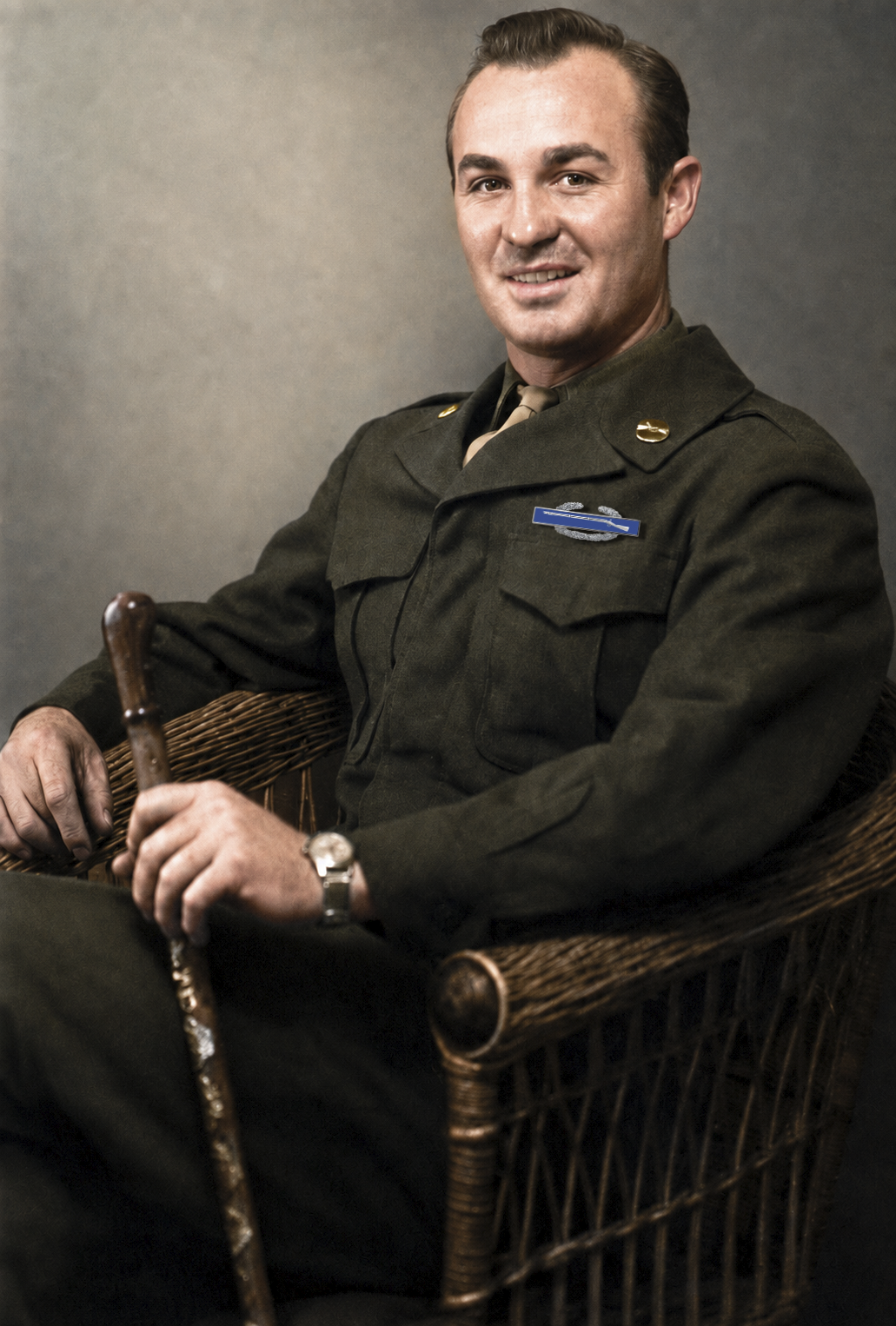
Speaking of grandpas: mine served in the infantry in Europe during World War II. His brother flew with the Air Corps. His great-great-grandfather fought with Andrew Jackson at the Battle of New Orleans in 1814, and made bullets for his father in the American Revolution. Other relatives served in Iraq, Afghanistan, Panama, Korea, Vietnam, the Cold War, on ships in the Pacific, as Doughboys in France, stateside at numerous posts, and in the American Civil War — on both sides. And not a single one of us — myself included — will be alive in seventy years to tell any of it.
Good History takes time.
I first became aware of World War II sometime in the mid1960s. Whether it was a collective family memory or my own, I remember Grandpa telling how his commanding officer made him wear a red baseball cap so he could always spot the radioman when calling in artillery or requesting backup. “Whenever the bullets started flying, I took that damn red hat off so fast!” he said at a family gathering. “When the shit hit the fan that captain would be lying next to me hugging the ground. We didn’t need a red hat to find each other. German snipers were good shots, and that hat was a target!”
Everyone laughed.
I also remember Grandpa warning his son — my uncle — before he shipped off to Vietnam. “Don’t be John Wayne!” he said. “Don’t be the first guy out of a foxhole. Take your time. Let those other guys go first!”
Again, everyone laughed. But Grandpa wasn’t joking. He was the only one at the table who had been in combat. Two years later his son came home alive. I was there when he did.
Good History takes time.
As a historian, my job is to collect, analyze, interpret, and chronicle facts as they present themselves in the context of time and place — and occasionally publish the findings. Evidence can be a bitter truth. A single sentence or scrap of paper can contradict a cherished family story passed down through generations — perhaps aided by a tankard of ale or, in Grandpa’s case, a can or two of Falstaff. Or it can prove what no one dared believe.
In thirty-five years of researching the Alamo Scouts, I’ve seen this many times. A man once contacted the ASHF claiming that a trainee in a photograph from the first class was his father. Multiple sources — including the man in the photo’s tent mate, Alamo Scout George Thompson, confirmed the identity. But the son refused to accept that the man in the photo was not his father, insisting that “the hair on his toes is just like Dad’s.” Further evidence proved his father wasn’t anywhere near the ASTC at the time. Some people believe what they want to believe, regardless of the facts.
But sometimes the “facts” are wrong — or incomplete.
For years, there was no evidence that the Alamo Scouts had conducted nine training classes. General Krueger’s staff got the number wrong. Most of the Alamo Scouts got it wrong. And so did I. Throughout the mid1990s, a man repeatedly contacted Bob Sumner — former team leader and cofounder of the Alamo Scouts Association — insisting his deceased brother was an Alamo Scout who completed training in July 1945. Bob told him he was wrong and to stop contacting him. A few years after Bob died, the man found his brother’s Alamo Scouts diploma and sent it to me — proving that a class had indeed been held from 18 June through 28 July 1945. Sometimes facts are facts.
Good History takes time. And sometimes it’s really cool.
On 31 January 2024, I saw a posting on eBay for “RARE WW2 US Sixth Army Philippines Campaign Alamo Scout Colonel’s Papers.” The photo clearly showed the papers of Colonel Frederick W. Bradshaw, first director of the Alamo Scouts Training Center, who died in 1946.
I immediately contacted Bradshaw’s granddaughter, Constance Morrill. By the end of the day, she had arranged to purchase the lot privately. After acquiring several hundred documents and correspondence ranging from Bradshaw’s college days to his legal career through the end of the war, Constance sent them to me for identification, cataloguing, digitization — and more importantly, to mine for historical gold. I wasn’t disappointed. The trove, dating from 1926 through 1946, filled gaps in the life of one of the most important figures in the creation and success of the Alamo Scouts.
Good History takes time.
So what does all this have to do with you? Simple. Grandpas.
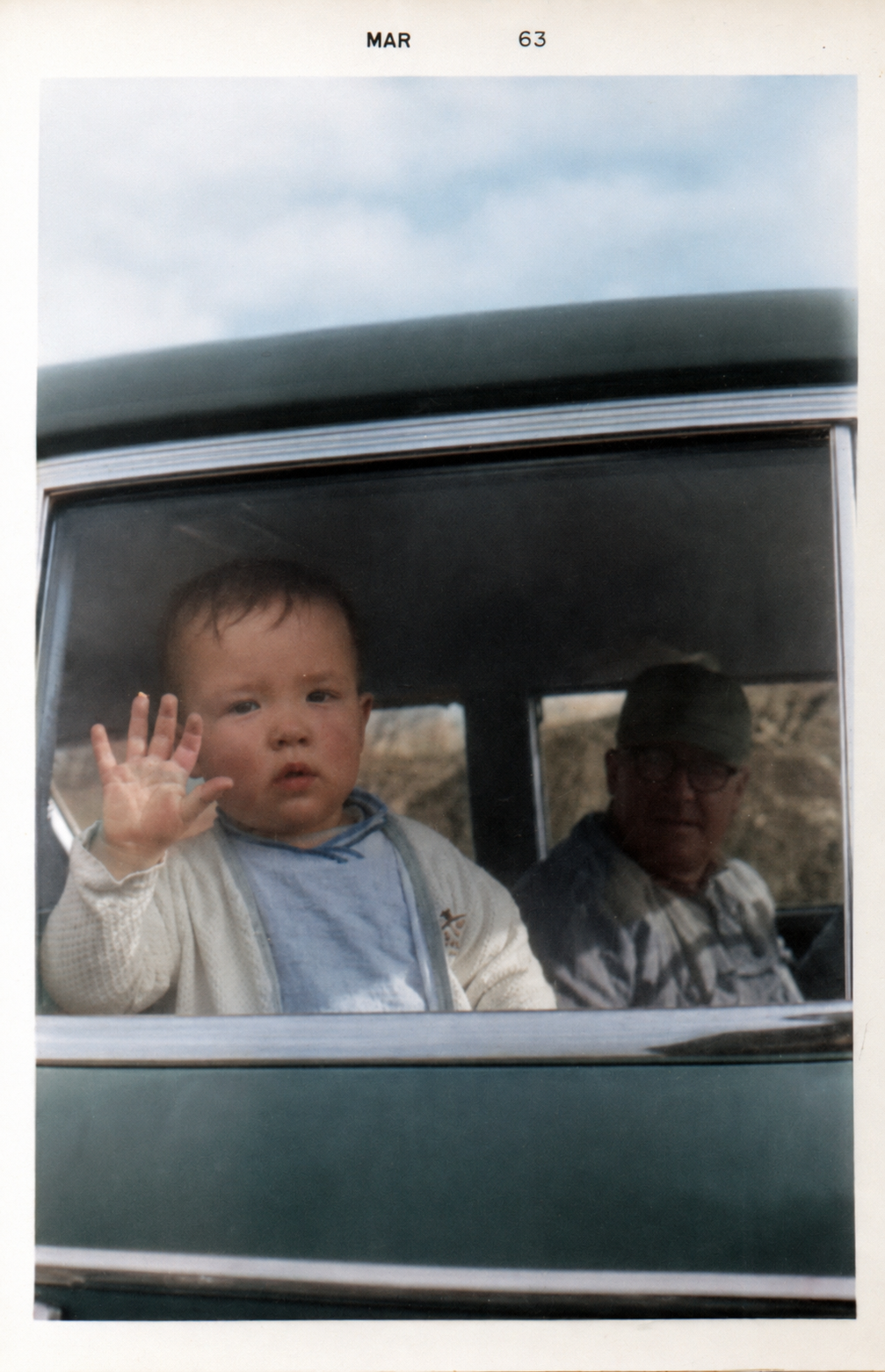
Your grandpa, your children’s grandpa, and the ones who will come long after we’re gone. It’s up to you to be responsible stewards of your family’s history — to preserve the documents and photos, pass along the diaries and notes, and remember the part your relatives and mine played in our shared story.
Several years ago, my mother gave me a tape of my grandpa talking about the war — one she had secretly recorded decades earlier. I didn’t know it existed. I didn’t know I needed it. But I did.
And someday, someone in my family will listen to that tape and hear his voice — the real man behind the red baseball cap — and they’ll understand something I learned a long time ago:
Good History doesn’t just take time. It takes someone who cares enough to keep it alive.
Be that person.
